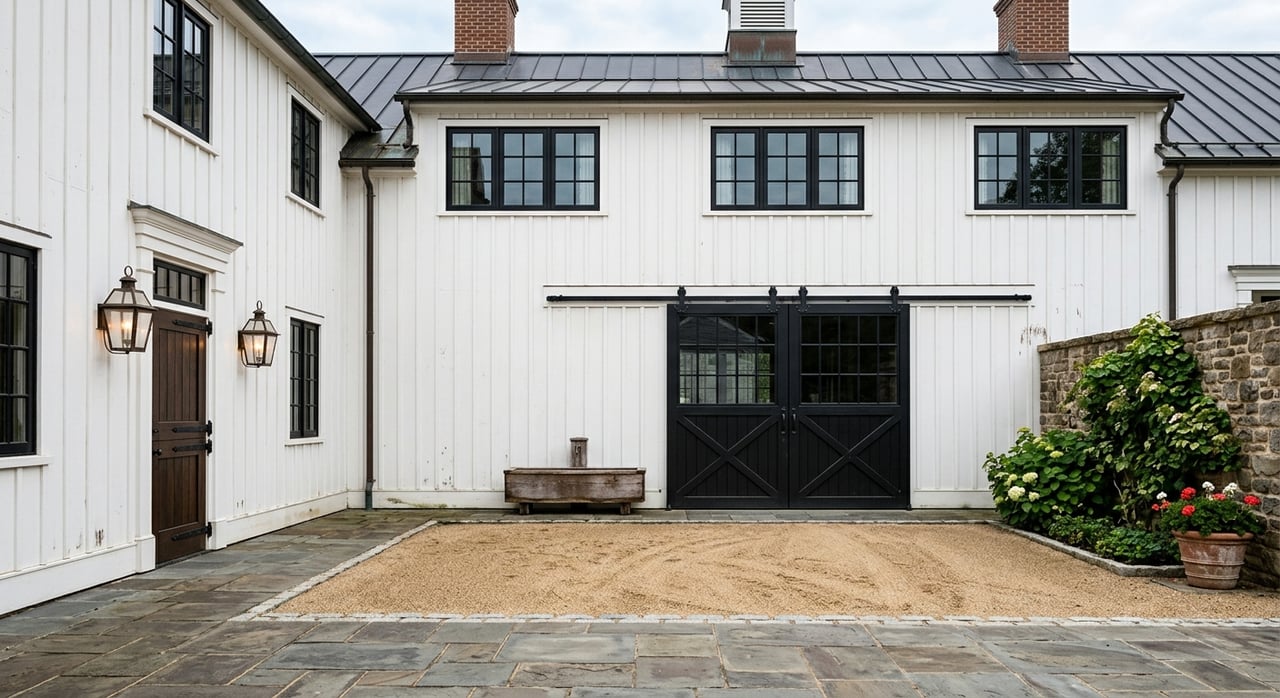
Buying a horse property in Hunterdon County can feel exciting right up until the details start stacking up. A beautiful barn and a few acres may look like the perfect fit, but equestrian purchases here often involve zoning rules, land-use restrictions, pasture concerns, tax questions, and long-term stewardship issues that do not show up in a standard home search. If you want to buy with more clarity and less stress, this guide will walk you through what to evaluate before you make an offer. Let’s dive in.
Why Hunterdon stands out
Hunterdon County is one of New Jersey’s strongest markets for buyers looking for land and equestrian potential. According to the Hunterdon County Agricultural Development Board, the county leads the state in farmland acreage, hay production value, and hay harvested acreage, and it ranks among the top counties for corn, cattle, and equine production.
That agricultural foundation matters when you are buying horse property. The county’s 2023 Farmland Preservation Plan Update reported 478 preserved farms protecting 36,136 acres, or 37,017 acres when independently preserved farms are included. This creates a rural land-use culture that can be a real advantage for equestrian buyers, but it also means you need to understand preservation rules and township oversight before moving forward.
Know that horse property is not generic
In Hunterdon, the phrase “horse property” is only a starting point. A listing may include a barn, paddocks, or open land, but that does not automatically confirm the current or future use you have in mind is permitted.
The biggest mistake many buyers make is treating equestrian real estate like a simple acreage purchase. In reality, a horse property needs to be reviewed through the lens of zoning, access, structure placement, manure handling, drainage, and possible tax treatment before closing.
Check zoning before you offer
Township rules can change everything
In Hunterdon County, zoning and allowed use are township-specific. That means the same setup that works in one municipality may be limited differently in another.
For example, East Amwell’s right-to-farm ordinance states that agriculture is permitted as zoning and state law allow, while Raritan’s code defines riding academies and boarding stables and, in one zoning context, limits horses to lots of at least three acres with one horse per acre and horse buildings at least 100 feet from property lines.
What to verify early
Before you move ahead, confirm key questions with the municipality and your due diligence team:
- How many horses are allowed on the property?
- Are barns, arenas, run-in sheds, or paddocks considered existing conforming uses?
- Are boarding, training, or lesson operations allowed?
- What setbacks apply to horse buildings and related improvements?
- Is the current use primary, accessory, or conditional under local code?
This step can protect you from buying a property that works on paper but not in practice.
Evaluate access and layout
Acreage alone is not enough
A horse property needs to function day to day, not just look good in listing photos. Rutgers equine-management guidance notes that safe ingress and egress is paramount, and site planning should support driveways, parking, equipment movement, trailer access, hay deliveries, farrier visits, and emergency response.
That means you should look beyond the total acreage. A property with less usable access can create more frustration than a smaller property with a smart layout.
Look at the whole working setup
As you tour a property, pay attention to:
- Driveway width and turning radius for trailers
- Trailer parking and loading space
- Equipment access to barns, paddocks, and fields
- Proximity between the house, barn, and turnout areas
- Emergency vehicle access in poor weather
If the layout makes basic farm tasks harder, ownership can become much more expensive and time-consuming.
Inspect the barn like a core asset
A barn is not just an attractive feature. It is a major functional structure that affects safety, usability, and future costs.
Rutgers notes that farm buildings are involved in almost 30% of farm-related injuries, which is why barn condition should be treated as a serious purchase issue. Fire prevention, ventilation, electrical safety, handling space, and structural condition all deserve close review.
Barn features worth checking
A qualified inspection can help you assess:
- Structural integrity of the barn and attached spaces
- Condition of stalls, aisles, doors, and flooring
- Ventilation and airflow
- Electrical systems and fire-safety risks
- Water access and wash stall function
- Storage for hay, bedding, and equipment
A barn that needs work is not always a deal breaker, but you want that cost and risk understood before you close.
Review pasture quality and drainage
Good pasture supports long-term value
Pasture quality is one of the clearest indicators of whether a horse property will be efficient to operate. Rutgers explains that a well-managed pasture can reduce hay costs, help distribute manure, and support horse well-being.
Rutgers also offers a useful rule of thumb: about one acre of pasture may support one horse for an entire grazing season, though actual needs depend on pasture quality and management. That means raw acreage alone is not enough. You need to know how usable and sustainable that land really is.
Watch for common land issues
As part of your review, look at:
- Pasture condition and vegetation health
- Evidence of overgrazing or weed pressure
- Drainage problems or muddy sacrifice areas
- Soil fertility and maintenance practices
- Toxic plant concerns
- Rotation potential between paddocks or fields
Poor land management can turn an otherwise attractive property into an expensive ongoing project.
Do not overlook manure and runoff
Manure handling is part of horse-property ownership from day one. It affects cost, usability, environmental compliance, and neighbor relations.
Rutgers guidance on water-quality management for horse farms highlights runoff controls, manure storage location, soil testing, and rotational grazing as best practices. It also notes that poor drainage, overgrazing, and manure over-application are common sources of problems on equine properties.
Compliance matters in New Jersey
The New Jersey Department of Agriculture states that all livestock farms, including equine operations, must follow animal-waste general requirements. Farms with 8 or more animal units, or with 142 or more tons of manure, must develop and implement an Animal Waste Management Plan. Manure storage areas must also be 100 feet from waters of the state and on slopes of less than 5 percent.
When you evaluate a property, make sure the existing setup supports responsible manure handling and runoff control.
Understand farmland assessment rules
Tax benefits are possible, not automatic
Farmland Assessment can be a meaningful benefit, but it is not guaranteed just because a property has horses. The New Jersey Division of Taxation requires at least 5 contiguous acres devoted to agricultural or horticultural use for two consecutive years, an application filed with the tax assessor by August 1, and gross sales of at least $1,000 for the first 5 acres plus $5 per additional acre.
If the parcel is under 7 acres, the state also requires a descriptive narrative and sketch. Buyers should also understand that rollback taxes can apply if land changes from agricultural use to non-farm use.
Horse use does not always qualify
This is where many buyers get surprised. New Jersey’s Farmland Assessment Act guidance explains that boarding, rehabilitating, or training fees can be counted only when that use occurs on land contiguous to land under the same ownership that otherwise qualifies. The guidance also makes clear that pleasure horses kept for personal riding do not qualify.
In plain terms, horses on the property do not automatically create farmland-assessment eligibility. You need to examine the actual use, acreage, contiguity, and revenue structure.
Ask about preservation and easements
Restrictions can affect future plans
If a farm is preserved or subject to an easement, your future flexibility may be more limited than you expect. Hunterdon County states that its farmland preservation program is designed to keep land in agriculture in perpetuity, and special-use waivers may require permission from the easement holder.
That matters if you are thinking about changing how the property operates, adding certain improvements, or using the land in a way that does not fit the easement terms. Title review is essential in these cases.
Why this matters to buyers
Preservation can be a strength if your goals align with agricultural use and long-term land stewardship. But if you want broad flexibility, you need to understand those limits before purchase, not after.
Build the right due diligence team
A strong horse-property purchase usually requires more than a standard buyer team. The moving parts are simply too important to leave to assumptions.
For many buyers, the right team includes:
- A local real estate advisor familiar with equestrian and acreage transactions
- A land-use attorney
- A surveyor
- A septic and well inspector
- A barn or farm inspector
- An equine veterinarian
- A lender familiar with acreage and agricultural property
New Jersey’s Farm Link program can also be a useful resource for landowners and farmers seeking information on land access, transfers, leases, and commonly used professionals.
Focus on long-term stewardship
The best horse properties are not just workable on closing day. They are manageable over time.
Hunterdon County’s agricultural framework and Rutgers guidance both point to the same reality: long-term success depends on soil conservation, rotational grazing, weed control, manure planning, runoff control, and ongoing barn-yard management. A property that fits your horses and your management capacity is usually a much better investment than one that stretches both.
If you are looking at horse properties in Hunterdon County, clarity is your biggest advantage. The right property is not simply the one with the prettiest barn or the most acreage. It is the one that matches your goals, works within local rules, and supports the way you want to live and care for the land. When you approach the process with a steady plan and the right guidance, you can buy with far more confidence.
If you want a calm, strategic approach to buying equestrian or acreage property in New Jersey, connect with Tara Stone for a thoughtful conversation about your goals and next steps.
FAQs
What should you verify before buying a horse property in Hunterdon County?
- Confirm township zoning, horse limits, building setbacks, allowed uses, access, barn condition, drainage, manure handling, and any preservation or tax issues before closing.
How much land do you need for horses in Hunterdon County?
- Rutgers gives a rough guideline of about one acre of pasture per horse for a full grazing season, but actual needs depend on pasture quality, management, and feeding plans.
Can horse boarding qualify for Farmland Assessment in New Jersey?
- Sometimes, but only under specific state rules tied to qualifying agricultural use, contiguity, and ownership. Boarding alone does not automatically qualify.
Does right-to-farm allow any horse use you want in Hunterdon County?
- No. Right-to-farm does not override local zoning, so you still need to verify what is permitted in the specific township.
Why are preserved farms different for buyers in Hunterdon County?
- Preserved farms may carry easements or restrictions that limit future use changes, improvements, or special uses, so title and easement review are essential.