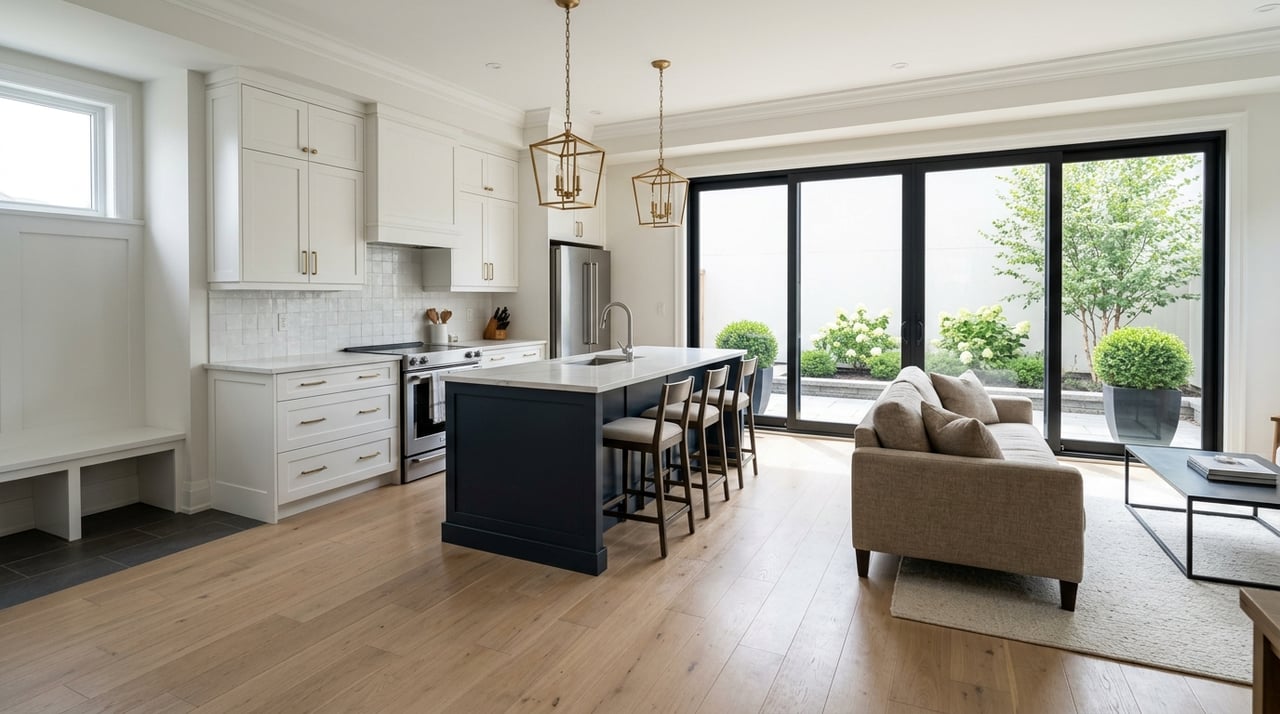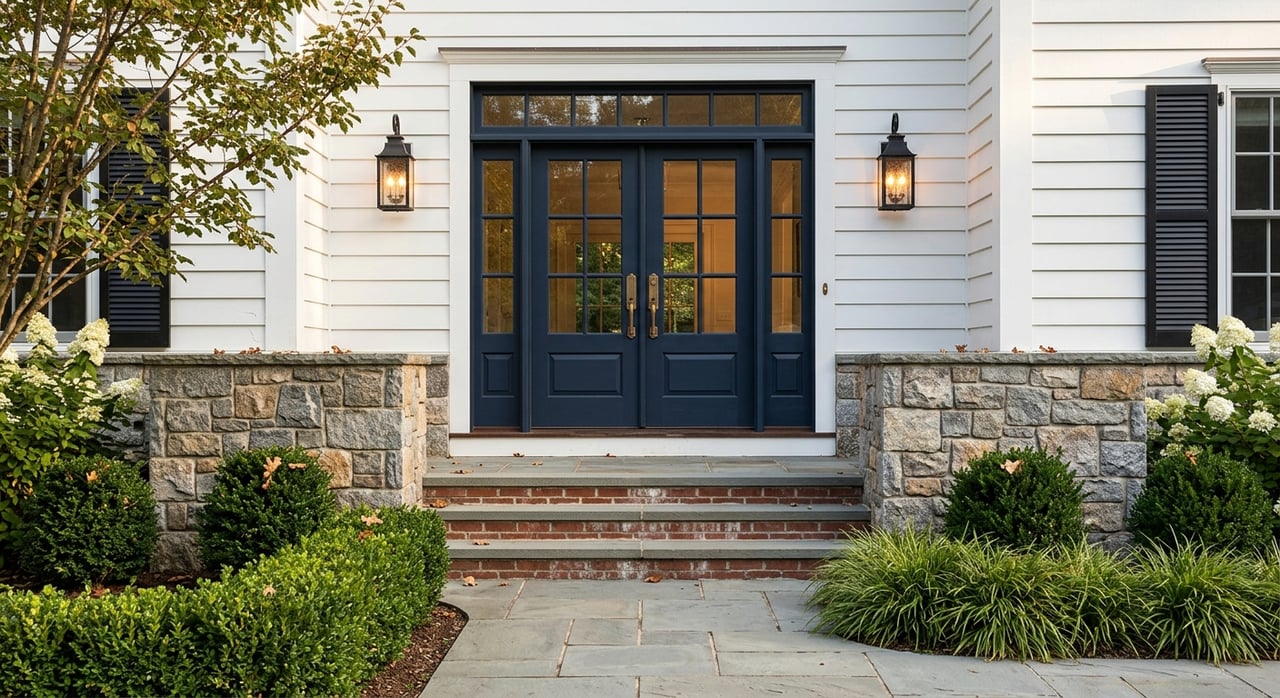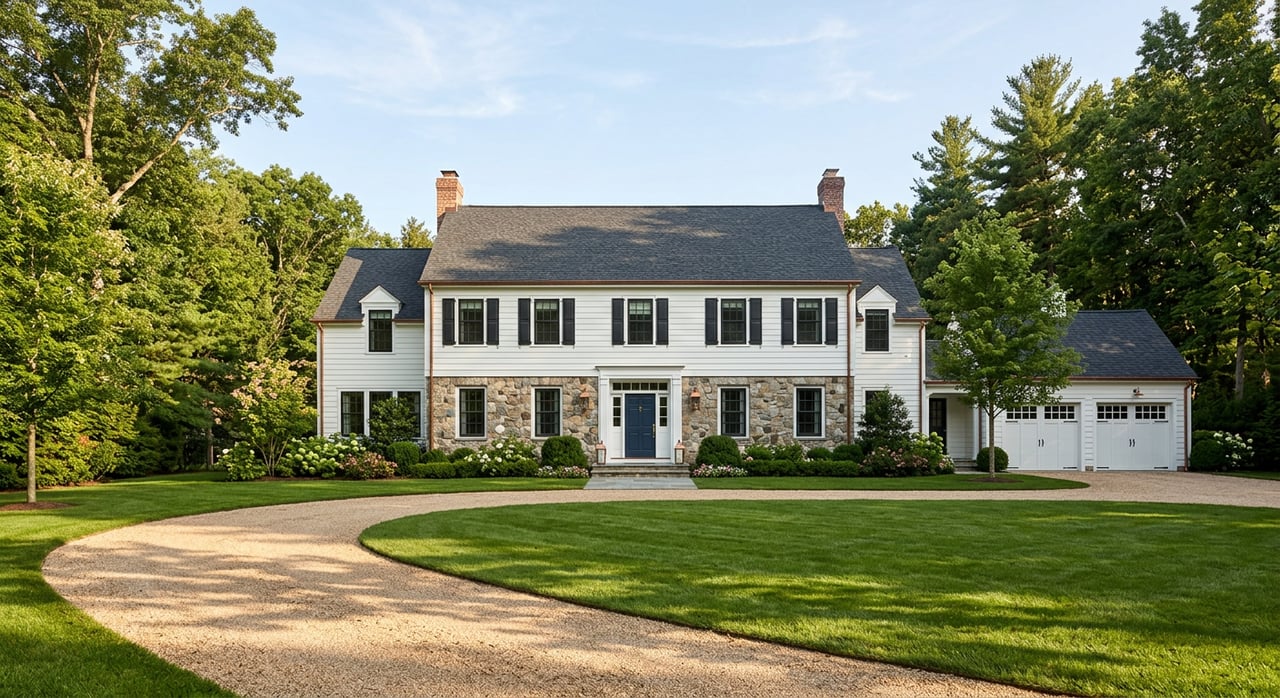
Picture a long, tree-lined drive in Skillman that opens to a classic home set well back from the road, with fields and the Sourland woods beyond. That is the Montgomery Township version of privacy: space to breathe, thoughtful separation from neighbors, and often a preserved landscape next door that will stay quiet for years. If you want a home with land here, you need more than a wish list. You need to understand how local zoning, septic design, and preserved farmland shape what is possible. In this guide, you’ll learn how “land” is defined in Montgomery, what creates true privacy, and the steps to vet a property before you fall in love. Let’s dive in.
What “land” means in Montgomery Township
In Montgomery, “homes with land” are defined by the township’s zoning, not just by how a property looks. The Land Development Ordinance sets minimum lot sizes and limits on coverage that directly determine what you can build, keep, or add on a site. The most relevant districts for acreage are listed below, all from the township code.
- MR (Mountain Residential): minimum 10 acres. See the Land Development Ordinance for details. (Montgomery Township Land Development Ordinance)
- R-5: minimum 5 acres. (Land Development Ordinance)
- R-2: minimum 2 acres. (Land Development Ordinance)
- R-1: minimum 1 acre. (Land Development Ordinance)
- R: minimum 1/2 acre. (Land Development Ordinance)
A few important nuances:
- Some parcels along Route 206 and other major roads require larger minimum lots than the base district, and driveway access can change what is allowed. Two nearby homes can have very different rules because of road classification. (Land Development Ordinance)
- Older undersized lots created before certain dates may be treated as permitted for a single-family home. Always check the lot’s recorded history for potential grandfathering. (Land Development Ordinance)
These rules are the backbone of what counts as “land” in Montgomery. If you want horses, a barn, a larger garage, an arena, or any outbuilding, the zoning district and its standards are your first stop.
Where privacy really comes from
Montgomery’s privacy story is not just about acreage. It is also about context. The township has a long-running open space and farmland preservation program that has safeguarded many properties and wooded corridors. That means your backyard view could be a preserved field or the edge of the Sourland Mountain forest, both of which add lasting quiet.
- The township’s planning overview highlights growth management and land use patterns that keep large-lot zones and open space intact. (Growth & Land Use Overview)
- The State Agriculture Development Committee’s farmland plan for Montgomery lists preserved and targeted farms, including examples like Pariso Farm and holdings near the Sourlands. These preserved tracts create buffers and scenic backdrops that neighbors benefit from. (Montgomery Farmland Preservation Plan)
- Somerset County also publicizes Sourland Mountain preservation work that reinforces the township’s rural edges. (Somerset County Sourland Preservation News)
You will also find working farms next to residential areas, such as the multi-acre Hidden Spring Lavender & Alpaca Farm in Skillman. It is a great snapshot of how small commercial agriculture and nearby homes coexist here. (Hidden Spring Lavender & Alpaca Farm)
One more reality check on privacy: New Jersey’s Right-to-Farm protections apply to qualifying commercial farms, which can include typical farm noise, odors, or seasonal activity. If your dream home borders active farmland, review the state framework so your expectations match local life. (Right-to-Farm Framework)
Buildability basics on acreage
Owning acres does not guarantee you can use every square foot. Several design and health standards control what you can add, where you can build, and whether a lot can be split.
Septic, wells, and the “contiguous usable acre”
In larger-lot districts like R-1, R-2, R-5, and MR, the ordinance requires a contiguous area of at least 43,560 square feet that is usable for on-site septic and reserve areas, and for a potable well where relevant. Wetlands, steep slopes, certain soils, floodplains, and storm basins do not count toward this requirement. This standard often decides whether an addition, barn, or subdivision is feasible. (Land Development Ordinance)
Montgomery also uses a designated sewer service area. Properties outside it typically rely on private septic and wells, which tighten siting options. Confirm a lot’s sewer status early. (Wastewater Management Plan reference)
Setbacks, coverage, and room for barns
Large-lot districts include substantial setbacks, with typical front yards ranging from about 50 to 125 feet and side yards from about 20 to 100 feet depending on the zone. Maximum lot coverage is often 10 to 15 percent in the larger-lot districts. Those numbers directly affect where you can place barns, paddocks, arenas, driveways, and parking. Accessory farm structures are defined and permitted in the code, with minimum distances from lot lines. Plan any outbuildings with these spacing and coverage limits in mind. (Land Development Ordinance)
Hobby farm or commercial farm
The ordinance treats a principal farm use as a lot with at least 5 acres devoted to agriculture, which can include crops, nurseries, livestock, and more. If your goal is a hobby setup with a few animals, your path may look different from a commercial operation that sells products or hosts on-farm retail. Rights and limits are spelled out in the local code and state agricultural rules. The Somerset County Agriculture Development Board is your local contact for preserved-farm stewardship and Right-to-Farm questions. (Land Development Ordinance, Somerset County Agriculture Development Board)
What the market looks like right now
Aggregated listing sites show a mixed picture. In the Skillman and wider Montgomery area, recent snapshots often place median single-family prices in the roughly 750,000 to 820,000 dollar band, with many homes on about a quarter acre. That reflects the township’s broad base of suburban lots. True 1-plus acre or 5-plus acre properties exist, but they are less common and usually command a premium. Always verify current numbers with live MLS data before relying on them. (Montgomery Homes Snapshot)
Inventory is limited, so set smart expectations
Because larger parcels represent a small slice of total housing, you will not always see multiple near-identical acreage options at once. The best approach is to monitor new listings closely, use lot-size filters, and work with an advisor who tracks off-market opportunities and understands preserved-farm transactions.
Your buyer checklist for land and privacy
Use this step-by-step list to cut risk and confirm what a property can truly support:
Confirm the zoning district and study the Land Development Ordinance for minimum lot size, setbacks, lot coverage, and accessory-building rules. Why it matters: these standards decide where barns, paddocks, arenas, and additions can go. (Montgomery Land Development Ordinance)
Check whether the property is inside the sewer service area or will rely on on-site septic and a private well. Why it matters: sewer status and the Wastewater Management Plan influence buildable area and long-term capacity. (Wastewater Management Plan reference)
Order soils and perc tests plus a septic feasibility review if you are outside sewer service. Why it matters: the ordinance’s contiguous usable-acre requirement can stop expansions or lot splits even on large parcels if soils or slopes do not cooperate. (Land Development Ordinance)
Research recorded conservation, open-space, or farmland easements. Why it matters: preserved-farm easements often prohibit subdivision or certain structures without approvals. (Montgomery Farmland Preservation Plan)
Verify what on-site agricultural sales or visitor activity is permitted. Why it matters: limited roadside stands may be allowed, but markets or events often require special approvals. (Land Development Ordinance)
Contact the Somerset County Agriculture Development Board for Right-to-Farm eligibility and mediation options if you expect commercial or semi-commercial farm activity. Why it matters: state and county processes protect legitimate farm practices and help resolve disputes. (Somerset County Agriculture Development Board)
If you want horses, speak with the township and Board of Health about animal-keeping and manure-storage standards. Why it matters: the ordinance defines farms and animal structures, and requirements vary by use and lot size. Do not assume a universal acreage-per-horse rule. (Land Development Ordinance)
Get a boundary survey and verify all easements, including any trail or maintenance access if the lot borders preserved land. Why it matters: adjacency to open space is a privacy win, but recorded easements still govern use. (Growth & Land Use Overview)
Call Montgomery Planning and Zoning early to confirm lot history, potential grandfathering, pending ordinance changes, and any proposed development or sewer expansion nearby. Why it matters: the planning office is the definitive interpreter of the ordinance and maps. (Growth & Land Use Overview)
How to start your search now
- Set MLS filters for lot size. Use 1-plus acre and 5-plus acre filters to surface true acreage. As a reference point, you can also browse aggregated acreage listings to get a feel for what is out there today. (Browse Acreage Listings)
- Map the context. Review the township’s planning page and the county’s agriculture development resources to understand where preserved land and farm operations exist. (Growth & Land Use Overview, Somerset County Agriculture Development Board)
- Vet your top candidates. For each promising property, pull the zoning district, ask for soils and septic details, and check for any conservation or farmland easements in the SADC plan. (Montgomery Farmland Preservation Plan)
- Keep perspective. Inventory is tight for large-parcel homes. Set alerts, move quickly on the right fit, and make room in your timeline for due diligence like perc tests and survey updates.
If you are drawn to acreage, privacy, and the Montgomery lifestyle in Skillman, Belle Mead, or Blawenburg, you deserve guidance that balances vision with the realities of zoning and land use. When you want a calm, strategic plan for your search or sale, connect with Tara Stone. Schedule a free consultation to align goals, timelines, and a clear path to the right property.
FAQs
What zoning districts in Montgomery allow true acreage lots?
- Montgomery’s larger-lot districts are MR at 10 acres, R-5 at 5 acres, R-2 at 2 acres, and R-1 at 1 acre, with R at 1/2 acre; always verify the parcel’s district in the Land Development Ordinance. (Land Development Ordinance)
How does preserved farmland affect privacy next to my home?
- Preserved farms and township or county open space create lasting buffers that reduce development pressure and can protect quiet views, though active farms may include normal, protected agricultural activity. (Montgomery Farmland Preservation Plan)
Can I keep horses on a small lot in Montgomery Township?
- The ordinance defines farms and animal structures and ties uses to lot size and setbacks; contact the township and Board of Health for animal-keeping standards before assuming any per-animal allowances. (Land Development Ordinance)
Why do I need a perc test if the property looks dry?
- In many zones you need a contiguous usable acre for septic and reserve areas, and soils or slopes can limit that even on big parcels, so a perc and septic feasibility review protect your plan. (Land Development Ordinance)
Where do I confirm if a property has sewer service?
- Check the designated sewer service area and the township’s Wastewater Management Plan reference to see if the lot will rely on a private septic and well. (Wastewater Management Plan reference)
Who helps with Right-to-Farm and preserved-farm questions?
- The Somerset County Agriculture Development Board is the local point of contact for preserved properties, stewardship, and Right-to-Farm mediation. (Somerset County Agriculture Development Board)