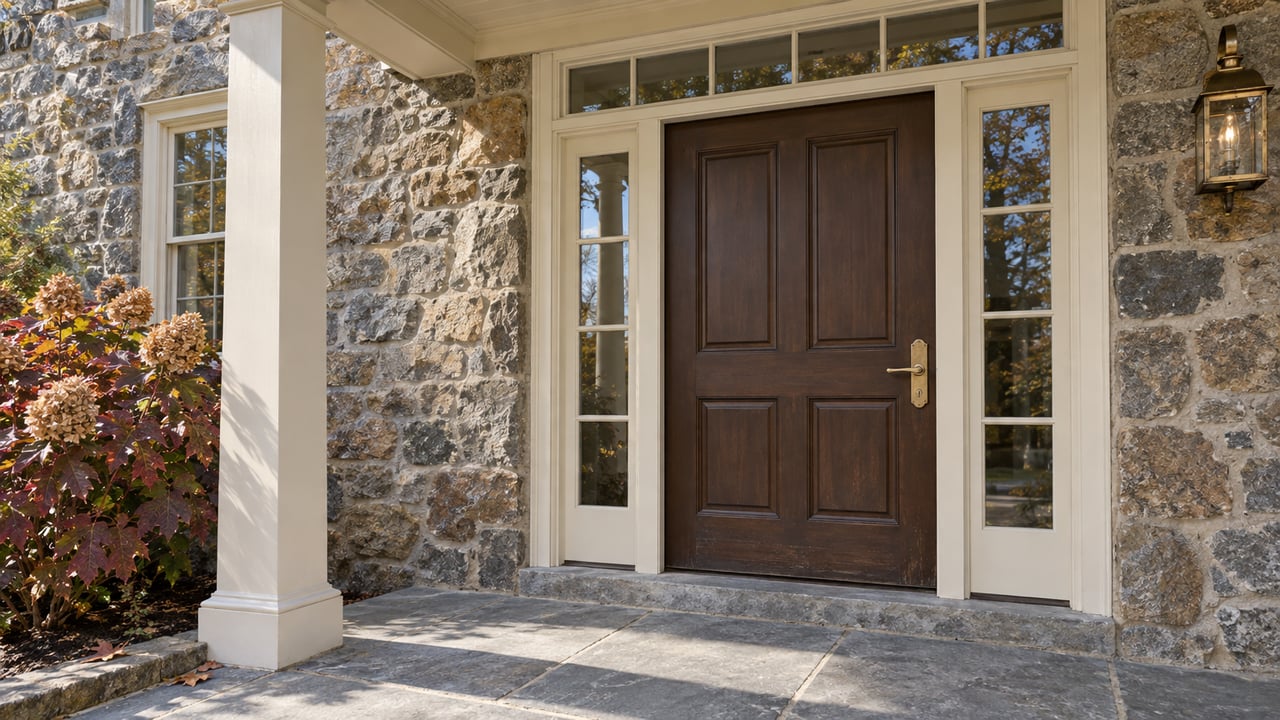
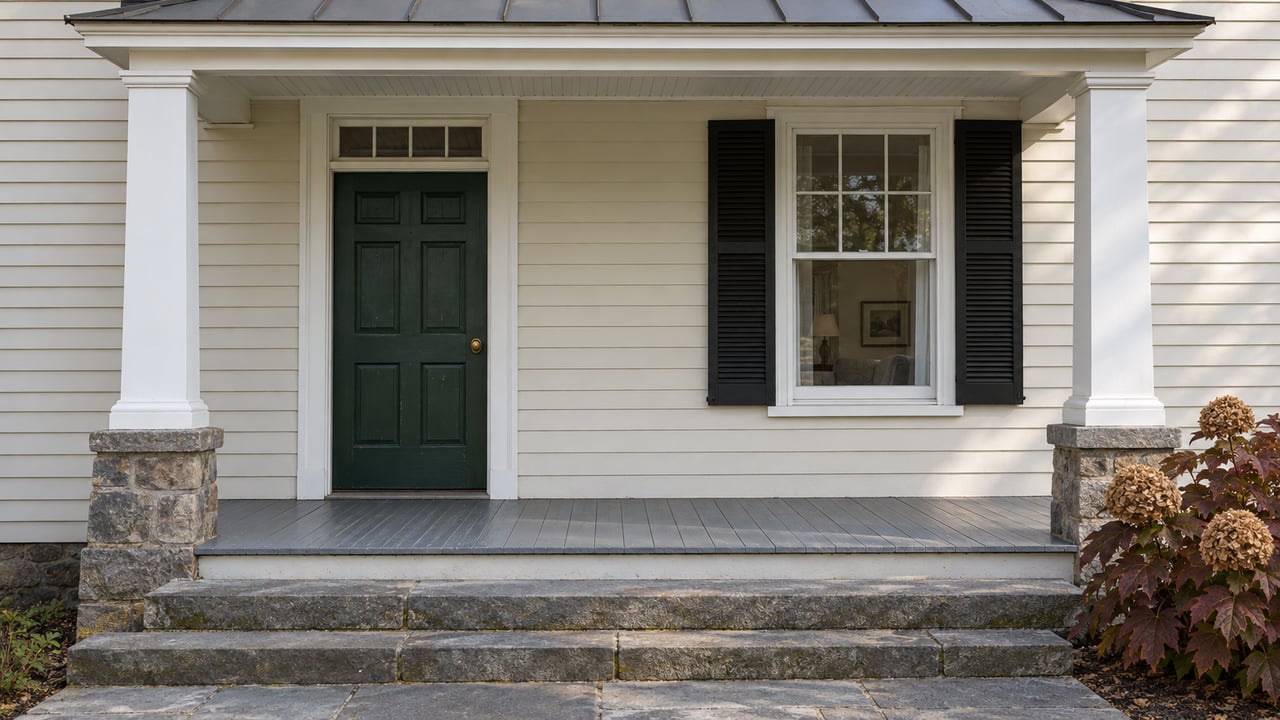
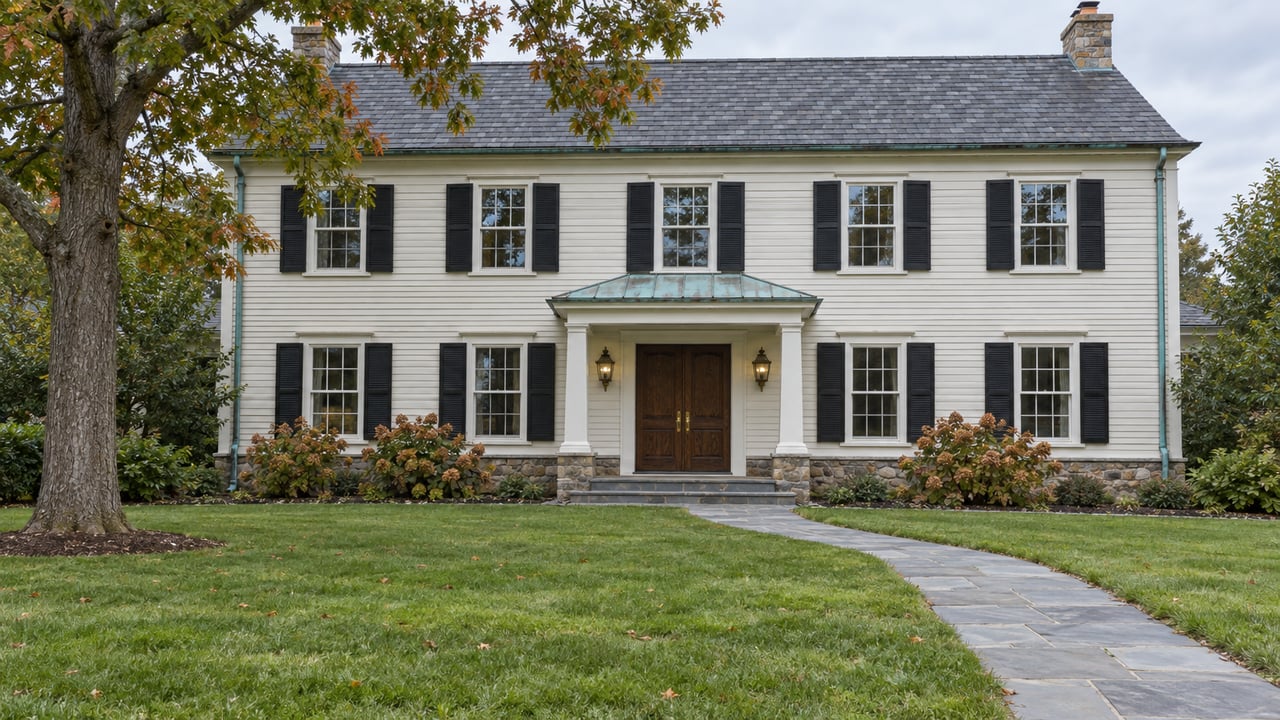
You are looking at two listings in the same township. Both sit on roughly 25 acres. Both have a farmhouse, a bank barn, and fenced pasture. One carries a property tax bill under $2,000 a year. The other runs closer to $15,000. The acreage is nearly identical. The house square footage is close enough not to explain the gap.
The difference is a status, not a feature. It is called farmland assessment, and in Hunterdon County it is common enough that most agents mention it in passing, the way they might mention a newer roof. That framing undersells what it actually is. Farmland assessment is not a fixed discount baked into the land. It is an ongoing agreement between a landowner and a municipality, renewed every year, and it does not automatically survive a change in what the new owner does with the property. Buy the wrong intentions along with that low tax line, and the discount can reverse into a bill that lands after closing, not before.
The Discount Is Real. The Condition Is the Part Buyers Skip
New Jersey's Farmland Assessment Act of 1964 lets landowners with five or more contiguous acres in active agricultural or horticultural use get taxed on the land's farming value rather than its market value. Hunterdon County says qualifying means the first five acres generate at least $1,000 in gross sales a year, with $5 required for each additional acre, and the New Jersey Division of Taxation says Form FA-1, filed with the municipal assessor, is due by August 1 of the year before the tax year in question. According to NJ Tax Calculator, meeting that bar can cut municipal taxes on the qualifying acreage by 90 percent or more.
That is the part every listing sheet highlights. What gets left off is that the designation is not permanent. According to Rutgers, the law does not apply to the farmhouse or homesite itself, only to the acreage actually farmed. A buyer inherits the status. They do not inherit a guarantee that it continues.
What Actually Resets the Bill
The mechanism that matters here is called a rollback tax, and it hinges on one distinction buyers consistently misread: it is triggered by a change in use, not a change in ownership. If a new owner keeps the land in qualifying agricultural use, the assessment carries forward with no penalty. If the new owner clears pasture for a pool, converts a hayfield to a lawn, or turns a working barn into a four-car garage, that is a change in use, and the municipality can bill the difference between the farmland-assessed taxes paid and what would have been owed at full market value, going back to cover the current year plus the two years before it. According to the New Jersey Division of Taxation, that liability attaches to the land itself and becomes a lien the moment the county board of taxation renders the rollback judgment.
The math is not trivial. One current guide to the statute puts the total at a bill that "can easily exceed $70,000" once three years of tax difference are added together on a mid-sized parcel. That is not a fee buried in closing costs. It is a bill that can show up on a property the buyer has already owned for a year or more, triggered by a landscaping decision that seemed unrelated to taxes entirely.
What Two Farms Show About Use
A WRNJ report described the preliminary preservation approvals. In Hampton Borough, the 57-acre Valley Road Farm was purchased at auction in the summer of 2025. The land, located in the Highlands Preservation Area, had long been used for row crops, and the new ownership kept it that way. By February 2026, the Hunterdon County Board of County Commissioners had approved preliminary farmland preservation applications for that property alongside the 28-acre Karcher Farm in Holland Township, where hay continues to be grown. Commissioner Jeff Kuhl framed both approvals as part of the county's broader effort to keep working land working.
Contrast that with a buyer who closes on a similarly assessed property intending to build a pool house where the hay currently grows, or clear three acres of pasture for a formal garden. Nothing about that plan is unusual for a luxury buyer. It is also, on paper, exactly the kind of change in use the statute exists to catch.
The Deadline Nobody Mentions at the Showing
Even buyers who intend to keep the land in agricultural use run into a second friction point: timing. Farmland assessment requires land to be devoted to a qualifying use for at least two full calendar years before the tax year for which the assessment is sought, and the FA-1 application has to be filed by August 1 of the pretax year.
This is not an abstract compliance detail in Hunterdon County. The preservation machinery here is active and visible. In March 2026, Hunterdon Land Trust announced that two of its completed preservation projects, the 22-acre Schafer Farm in Holland Township and the 24-acre Barnes Farm in Kingwood Township, had been highlighted on a national map by the USDA's Natural Resources Conservation Service. In May 2026, the Trust added another 16 acres along Walnut Brook in Raritan Township to a growing preserved corridor. These are not archival footnotes. They are current transactions in a county that has long led the state in farmland acreage, and where the local land trust hosts its own community events, including its Wine and Art at the Farm fundraiser at the historic Dvoor Farm on Mine Street in Flemington, to keep that agricultural identity visible to residents, not just to assessors.
What This Changes About How You Read a Listing
None of this means farmland assessment is a reason to avoid a property. For most buyers, especially those already planning an equestrian operation, hay production, or continued row cropping, the tax status is simply an asset that requires the same care as any other conditional benefit. The practical shift is in what to verify before the offer, not after.
| If your plan is to... | Rollback risk |
|---|---|
| Continue existing hay, row crop, or pasture use | Low. Status typically carries forward. |
| Board or train horses on the existing acreage | Depends on whether this use qualifies. |
| Clear acreage for a pool, court, or formal lawn | High. This is a textbook change of use. |
| Convert a working barn to garage or living space | High, if the surrounding land also stops qualifying. |
| Let fields sit idle for a season while deciding | Confirm whether eligibility continues. |
A few steps belong in every offer on farmland-assessed acreage in this county:
- Ask the seller and the municipal tax assessor, in writing, whether the property currently qualifies and whether any rollback exposure already exists.
- Confirm the exact acreage that is farmland-assessed versus the homesite acreage, since the statute never applies to the house lot itself.
- If your plans include any non-farm use of currently qualifying acreage, ask a real estate attorney to model the rollback exposure before you finalize price, not after you close.
- If you intend to continue the existing agricultural use, get the seller's FA-1 filing history so you understand whether the two-year use requirement is already satisfied or whether there is a gap to bridge.
Questions Buyers Ask Before Closing
Does farmland assessment disappear automatically when a property is sold? No. The New Jersey Division of Taxation is explicit that the status attaches to the land based on use, not ownership. A sale by itself does not trigger a rollback as long as the new owner continues a qualifying use.
Can I keep the tax break without farming the land myself? That depends on whether the use qualifies. Confirm the details before relying on the assessment.
What if the seller already let the status lapse before I made an offer? This is worth confirming before you write an offer, not after. A lapsed status means you may be buying at the market-value tax rate from day one, which changes the carrying cost math on the deal.
Farmland assessment is one of the more useful tools available to a Hunterdon County landowner, and one of the easiest details to misread during a purchase. The number on the listing sheet tells you what the seller is currently paying. It does not tell you what you will be paying once your own plans for the land take effect. That distinction is worth a conversation before an offer goes in, not after a rollback notice arrives.
If you are weighing a farm, land, or equestrian purchase in Hunterdon County and want a clear read on what a property's tax status actually commits you to, Stone Homes NJ can walk through the due diligence with you before you write the offer, not after.
This article is general information, not legal, tax or financial advice. Consult a qualified professional about your situation.