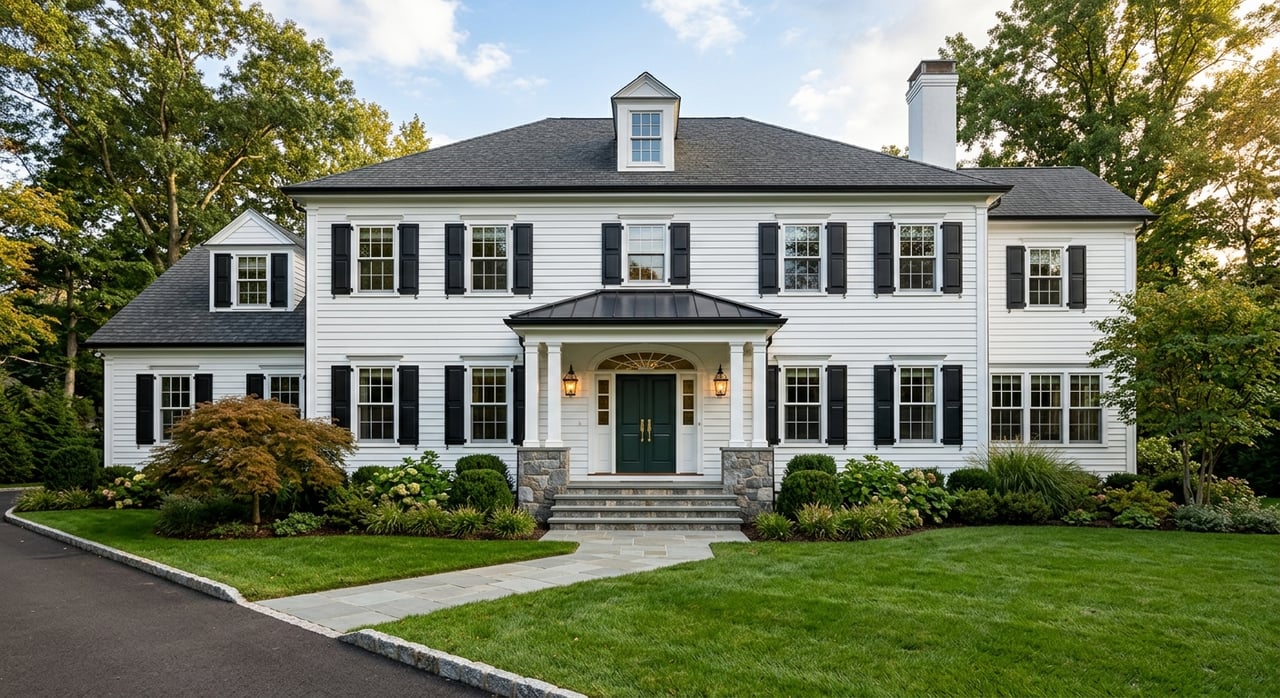
What does luxury look like when it is built into your normal Tuesday, not saved for special occasions? In Princeton, it often looks less like flash and more like ease: a walkable downtown, meaningful arts and culture, beautiful green space, and architecture that gives everyday routines a stronger sense of place. If you are curious about what makes Princeton feel elevated in such a livable way, this guide will show you where that feeling comes from and why it matters. Let’s dive in.
Princeton Luxury Feels Different
In Princeton, everyday luxury is closely tied to access. You are in a town of about 30,000 residents spread across 18.4 square miles, with quick connections to major highways and a compact core that supports a more connected daily rhythm. That smaller scale helps ordinary tasks feel smoother and less fragmented.
The appeal is also rooted in continuity. Princeton brings together downtown activity, campus energy, public spaces, and residential streets in a way that feels cohesive rather than overbuilt. The result is a lifestyle where convenience and character often live side by side.
Downtown Shapes Daily Life
Downtown Princeton is anchored by Palmer Square and Nassau Street, which serve as the town’s main commercial heart. The area includes offices, residences, shops, bars, and restaurants, creating an active center that stays useful beyond weekends or special events. That kind of mix supports a daily routine with fewer errands spread across long distances.
If you value variety, the dining scene adds another layer to the experience. Princeton University describes options ranging from noodle houses and sandwich shops to gourmet ice cream and farm-to-table fine dining, with a wide mix of cuisines represented. For many buyers, that means luxury is not just about the home itself, but about how easily your lifestyle extends beyond the front door.
Shopping also contributes to the town’s polished feel. Downtown includes clothing stores, jewelers, bookstores, and gift shops, all within a compact environment that is easy to revisit regularly. Instead of planning a major outing, you can enjoy a more spontaneous, local rhythm.
Culture Is Part of the Routine
One reason Princeton feels elevated day to day is its unusual concentration of cultural resources. The Princeton Public Library, located downtown next to Hinds Plaza and the Spring Street Garage, is described by the municipality as a community living room with a café, technology center, classes, and daily events. That gives you a useful, social, and enriching place woven into normal life.
The arts scene is also remarkably dense for a town this size. The Arts Council of Princeton offers exhibitions, performances, public art projects, and collaborations, while McCarter Theatre Center stages more than 200 dance, music, and theater performances each year. You do not need to plan a major trip to add culture to your week.
Princeton University adds even more depth to that experience. The campus arts calendar is active, and the university notes that the campus is home to one of the country’s most significant collections of 20th- and 21st-century sculpture. For residents, that means visual and performing arts are part of the local backdrop, not a rare extra.
Outdoor Space Adds Breathing Room
Luxury living is not only about what is built. In Princeton, it is also about how easy it is to step into restorative outdoor settings without leaving town. That access can make a real difference in how your mornings, evenings, and weekends feel.
The Delaware and Raritan Canal State Park is a standout feature in the area. It is a 70-mile linear park and recreational corridor with a towpath, and the state notes that canoes and kayaks can be rented in Princeton from spring through early fall. The canal’s preserved bridges, locks, and historic features add texture to the experience.
Within town, Community Park North offers 71 acres of wooded ground, open space, walking and hiking trails, a pond, an amphitheater, a paved pathway, and benches. Marquand Park offers a different mood, with more than 120 tree species, about a mile of largely paved paths, and the distinction of being Princeton’s only officially recognized arboretum. These are the kinds of places that support a lifestyle built around regular access to fresh air and beauty.
Even smaller amenities matter. Princeton also offers community garden plots at John Street and Barbara Smoyer Park, which adds another layer of local, intentional living. These details may seem simple, but they often shape how grounded a place feels over time.
Getting Around Feels Manageable
Princeton’s transportation network is a major part of its everyday appeal. The municipality notes quick connections to Route 1, the New Jersey Turnpike, and the Garden State Parkway, along with rail access to New York City and Philadelphia. For buyers who want regional flexibility without giving up a more refined town setting, that balance is important.
Inside town, local movement is also easier than many people expect. Princeton offers the free Princeton Loop, including the Loop Local and Loop Express, and Princeton University states that Tiger Transit routes are free and open to the general public. NJ Transit 605 also links downtown, nearby neighborhoods, Princeton Shopping Center, and other destinations.
The rail connection adds another practical advantage. Princeton University explains that the Dinky links Princeton Station to Princeton Junction, where northbound NJ Transit trains offer direct service to New York City and Newark Liberty Airport, while southbound trains connect toward Trenton and the broader region. That setup supports a hybrid lifestyle where walking, buses, and trains can reduce the need for constant driving.
The town’s walkable pattern supports that same idea. Princeton reports that nearly 15% of working residents walk to work, which is a meaningful indicator for a suburban municipality. If you are looking for luxury that includes less friction in your day, this is a key part of the story.
Architecture Creates Atmosphere
Princeton’s visual character is one of its strongest luxury signals. The municipality describes a layered architectural history that includes Greek Revival, Picturesque Revival, Victorian Gothic, Richardsonian Romanesque, and later Collegiate Gothic influences. That range gives the town a sense of depth that newer communities often cannot replicate.
Campus architecture plays a major role in that identity. Princeton University notes that its main campus spans more than 180 buildings and ranges from neoclassical to Collegiate Gothic to contemporary design. Landmarks such as the Graduate College and Cleveland Tower help reinforce the sense that architecture here is part of the daily experience, not just a backdrop.
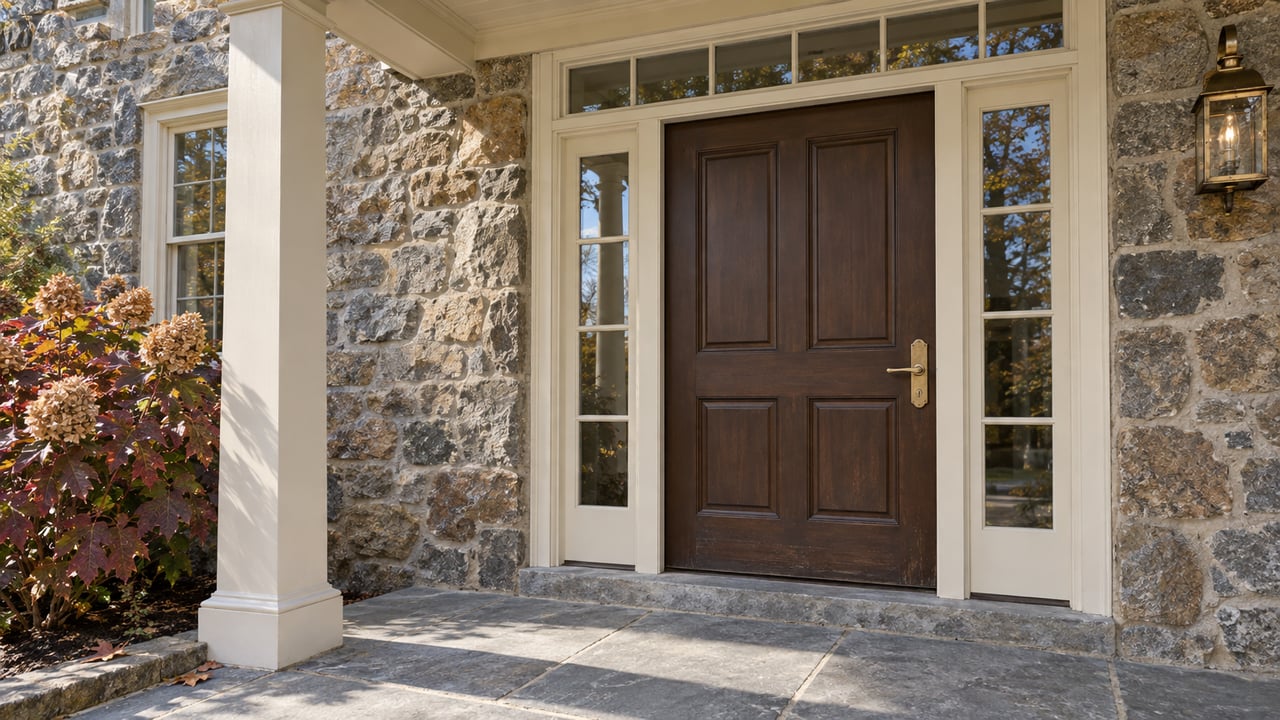
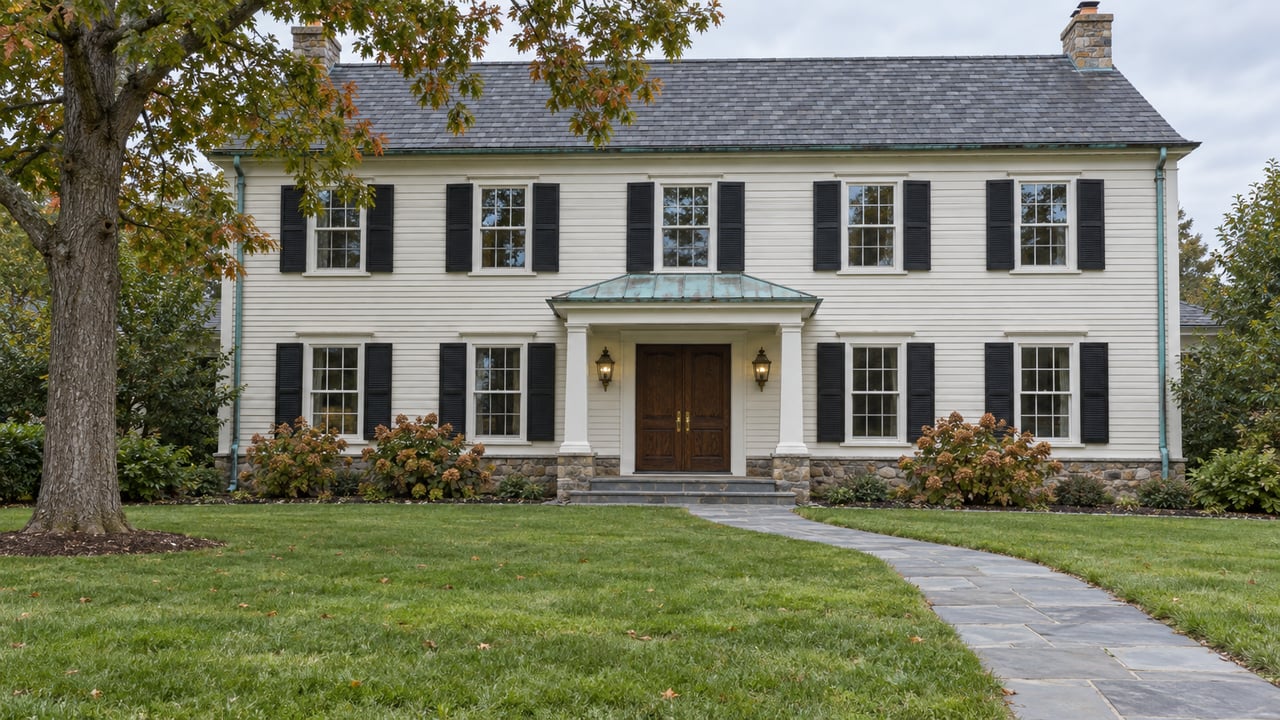
For homebuyers, this often translates into a luxury market that feels historic, established, and visually grounded. Mature landscaping, stone facades, and older residential streets are central to Princeton’s identity. In other words, the appeal is often more about timeless character than glossy uniformity.
What Buyers Often Love Most
For many buyers, Princeton’s version of luxury comes from how many quality-of-life elements fit within a relatively small radius. You can move between downtown, campus, parks, and transit without feeling like every task requires a major production. That compact access is a meaningful part of the town’s value.
You may also appreciate that Princeton offers a luxury experience that feels lived-in rather than staged. The town combines historic character, everyday convenience, and cultural depth in a way that supports real routines. That can be especially compelling if you want a home that enhances your lifestyle beyond square footage alone.
A few features often stand out:
- Walkable daily patterns in the downtown core
- Strong arts and cultural access throughout the year
- Meaningful green space for exercise and downtime
- Regional connectivity by road, bus, and rail
- Architectural depth that gives the town a distinct identity
Princeton Lifestyle Through a Luxury Lens
If you are considering Princeton, it helps to think about luxury as an experience of steadiness, access, and setting. In this market, premium living often means your surroundings are beautiful, your routines are easier, and your options feel close at hand. That is a powerful combination for both full-time residents and relocation-minded buyers.
At Stone Homes NJ, we believe luxury should feel clear, calm, and personal. If you are exploring Princeton and want thoughtful guidance on the market, the lifestyle, or how to position your next move, Tara Stone is here to help.
FAQs
Is Princeton, NJ walkable for daily living?
- Yes. Princeton reports that nearly 15% of working residents walk to work, and the downtown core is supported by pedestrian-friendly streets, the free Princeton Loop, Tiger Transit, and NJ Transit 605.
Do you need a car to enjoy life in Princeton, NJ?
- Not always. In the core, many daily errands and outings can be handled by walking, bus, or train, though many residents still use a mix of transportation depending on where they live and travel.
What makes everyday luxury living in Princeton, NJ feel different?
- Princeton’s luxury is often expressed through access to dining, arts, public spaces, transit, and historic architecture within a relatively compact town setting.
What cultural amenities are available in Princeton, NJ?
- Princeton offers the Princeton Public Library, the Arts Council of Princeton, McCarter Theatre Center, an active university arts calendar, and a significant collection of outdoor sculpture on campus.
What outdoor spaces support everyday living in Princeton, NJ?
- Residents can enjoy the Delaware and Raritan Canal State Park, Community Park North, Marquand Park, and community garden plots at John Street and Barbara Smoyer Park.