If your Morris County estate home has great bones, privacy, and presence, that is a strong start, but it is not the whole story for today’s buyers. Even in a competitive market, buyers at higher price points tend to be experienced, selective, and quick to notice anything that feels unfinished or unclear. The good news is that smart preparation can reduce friction, strengthen your first impression, and help your home feel move-in ready from the moment it goes live. Let’s dive in.
Why prep still matters in Morris County
Morris County has a long history of country estates, large homes, and properties that offer space, privacy, and convenience. The county’s landscape, legacy housing stock, commuter access, and 39 municipalities make it a natural fit for estate-home marketing that speaks to both lifestyle and practicality.
The current market also supports a thoughtful prep strategy. In May 2026, Morris County single-family homes had a median sales price of $850,000 for the month, 2.1 months of inventory, and homes sold for 106.9% of list price on average. Homes were also moving quickly, with 24 days on market for the month.
That kind of market can make sellers assume almost anything will sell. But strong pricing and low inventory do not erase buyer expectations, especially when the home is larger, older, or more complex. Presentation, documentation, and showing strategy still matter.
What today’s estate buyers expect
Today’s buyer pool includes many repeat buyers with more experience and clearer standards. National 2025 buyer data shows first-time buyers made up just 21% of the market, while repeat buyers had a median age of 62. All-cash buyers also accounted for 26% of primary-residence purchases.
In practical terms, that means many buyers touring Morris County estate homes are not walking in casually. They often know what they want, compare properties quickly, and expect a guided, polished experience. They are looking for a home that feels worth the price, not a project they need to decode.
This is one reason preparation should feel strategic, not cosmetic. The goal is not to over-renovate. The goal is to remove the questions and distractions that can slow down a strong buyer.
Start with the basics buyers notice first
Before you think about lifestyle marketing or photo day, start with the visible issues that shape a buyer’s first impression. These are often the simplest updates, but they can have the biggest impact.
Focus first on:
- Paint touch-ups
- Minor repairs
- Carpet cleaning
- Full-house cleaning
- Landscaping refresh
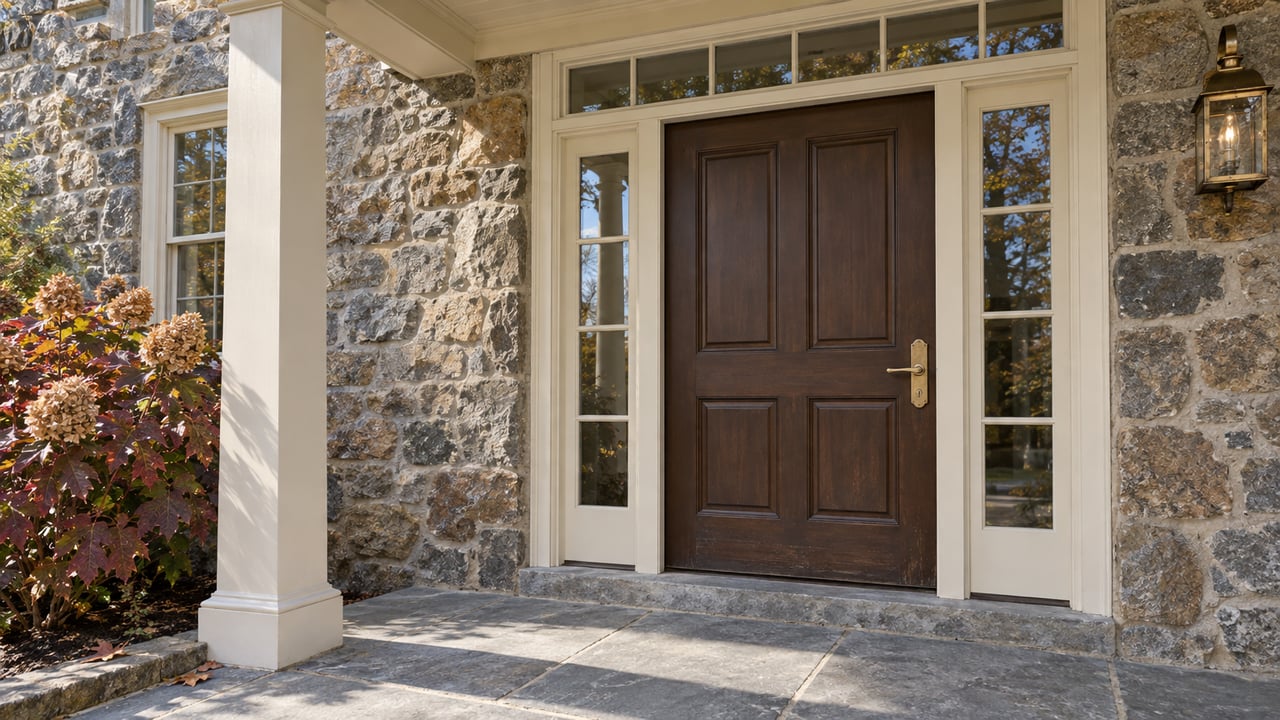
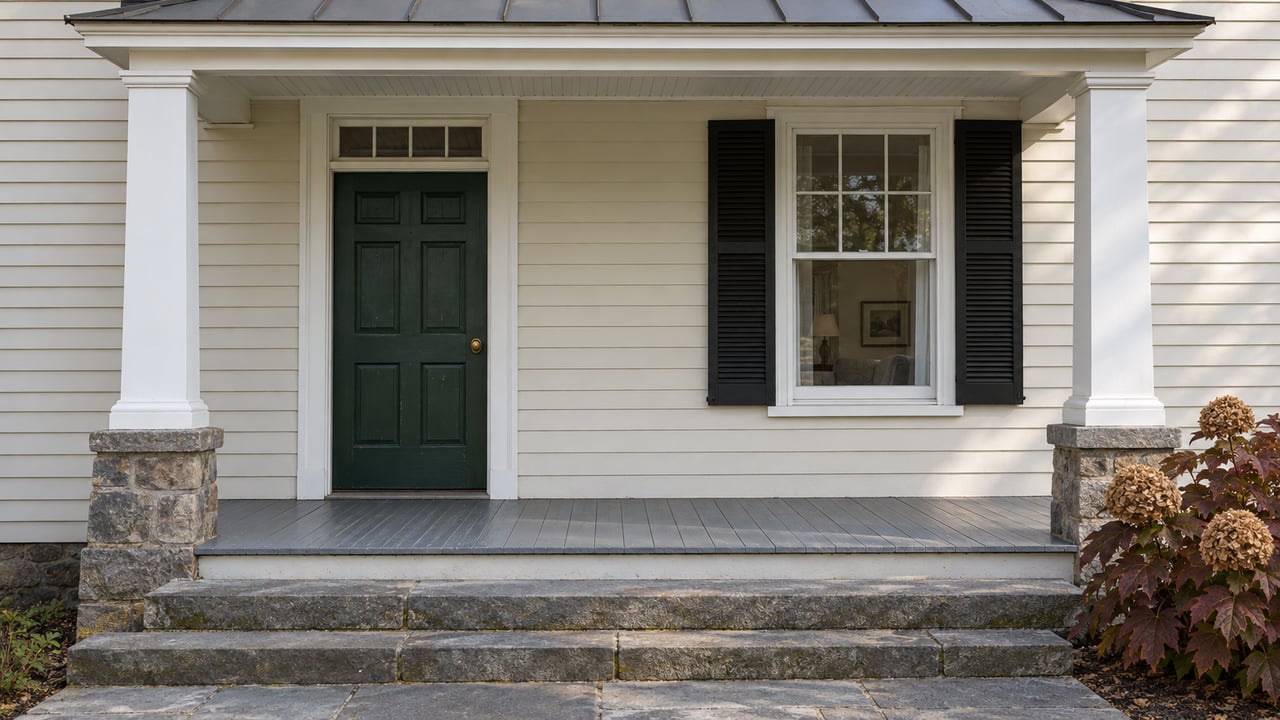
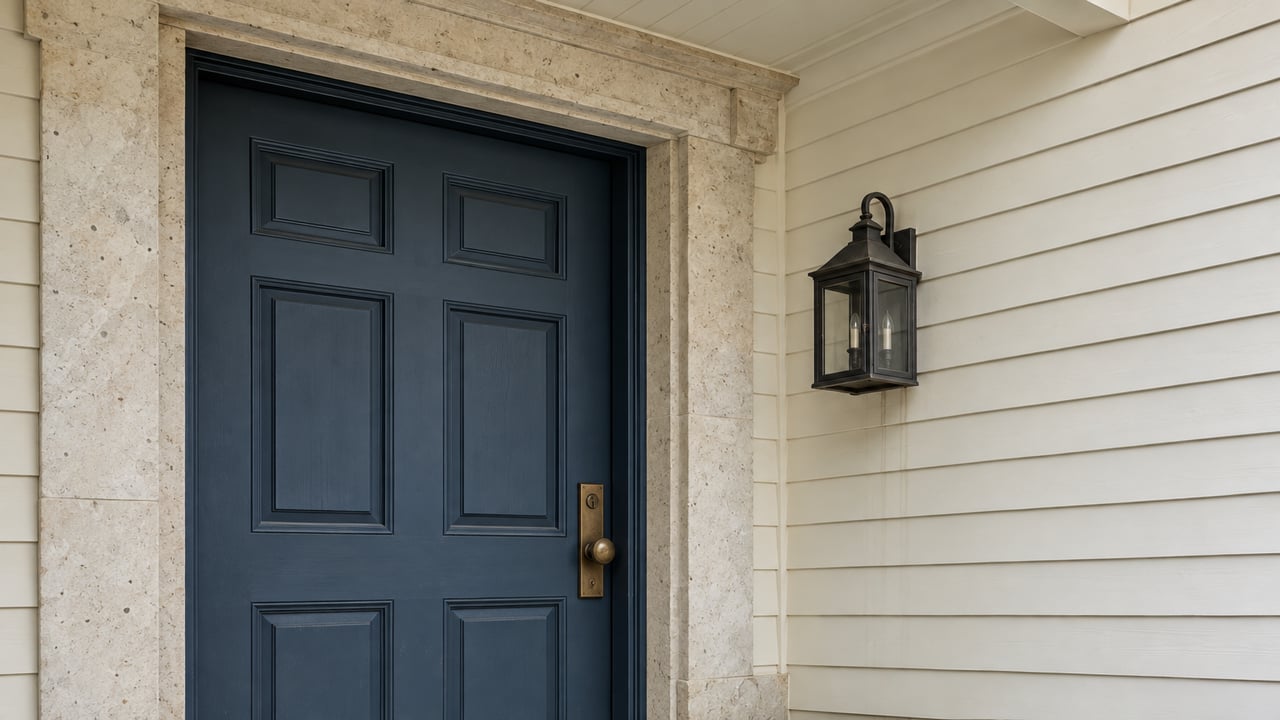
- Curb appeal improvements
These steps help your home feel maintained and cared for. In a large estate property, even small deferred items can make buyers wonder what else has been overlooked.
Cleanliness also carries more weight than many sellers expect. Larger homes can be beautiful, but if they feel dusty, cluttered, or hard to navigate, buyers may focus on effort instead of opportunity.
Declutter to show scale
Estate homes often offer generous room sizes, but furniture layout and storage habits can make those spaces feel smaller than they are. Buyers should not have to work to understand how a room functions.
That is why decluttering matters so much. Remove bulky furniture, clear surfaces, simplify decor, and make closets look less crowded. This helps rooms read as larger, calmer, and easier to use.
For estate listings, scale is part of the value. If a sitting room feels cramped or a hallway feels blocked, you lose some of that effect. A cleaner layout allows the architecture, light, and flow to do the work.
Stage the rooms that shape the story
Not every room needs the same level of attention. The rooms that usually matter most are the living room, kitchen, dining room, primary bedroom, and outdoor spaces.
These are the spaces buyers tend to remember. They help define how the home lives day to day and how it supports entertaining, working from home, or hosting guests.
Staging can help here. According to 2025 staging research, 83% of buyers’ agents said staging makes it easier for buyers to visualize a home as their future residence. Agents also reported that staging can reduce time on market and may increase the dollar value offered.
For an estate home, good staging should feel purposeful, not busy. It should clarify scale, show function, and support the home’s style without distracting from it.
Protect privacy before showings begin
Privacy prep is a real part of estate-home selling. Buyers want to picture themselves in the home, and they do that more easily when personal items are out of view.
Before photography and showings, pack away:
- Family photos
- Toiletries
- Medicines
- Firearms
- Valuables
- Political decor
- Religious decor
This step supports both security and presentation. In a luxury or estate setting, discretion matters, and a neutral environment helps buyers move through the property with fewer distractions.
Closets also deserve attention. If they look overly full, buyers may read that as limited storage, even in a large home.
Get ahead of disclosures and property questions
For older, larger, or more customized homes, paperwork matters almost as much as presentation. A polished listing can lose momentum fast if buyers uncover unanswered condition issues later.
New Jersey’s seller property condition disclosure statement asks about topics like water intrusion, mold, pest damage, foundation movement, drainage issues, radon, pools, security systems, smoke and carbon monoxide detectors, and other material defects. For estate homes, gathering this information early can make your sale feel steadier and more credible.
Flood disclosure also deserves attention. Since March 20, 2024, New Jersey sellers must disclose whether a property is in FEMA’s Special Flood Hazard Area or Moderate Flood Hazard Area and disclose actual knowledge of flood risks before the buyer becomes obligated under contract.
That matters in Morris County more than some sellers realize. A basement, creek-adjacent parcel, or low-lying area can trigger buyer questions even when the property is nowhere near the coast.
Be ready for age, well, septic, and safety items
Estate properties often come with systems or age-related requirements that should be addressed early. If your home was built before 1978, federal lead-based paint disclosure rules apply, including disclosure of known lead hazards.
For one- and two-family homes in New Jersey, a certificate of smoke alarm compliance is required before sale or change of occupancy. The certificate is obtained through the municipality and is valid for six months.
If the property uses a private well, New Jersey’s Private Well Testing Act requires testing when the property is sold. Morris County is one of the counties where uranium testing is specifically required.
If the property uses septic, it is wise to arrange a septic inspection before or during the sale process. That can help uncover issues early and give buyers more confidence about the system.
Build a showing plan, not just a launch date
The best estate-home prep usually works as a sequence. Instead of rushing to market, coordinate each step so the home is fully ready when buyers first see it online.
That often means lining up vendors in advance, including:
- Cleaner
- Landscaper
- Painter
- Stager
- Photographer
- Well-testing provider, if needed
- Septic inspector, if needed
- Municipal smoke alarm compliance process
This kind of sequencing reduces stress and helps avoid delays after launch. It also supports stronger photography, smoother showings, and fewer surprises once interest starts building.
Tell a Morris County lifestyle story
Room count matters, but estate buyers are often responding to something bigger. In Morris County, the strongest listings connect the home to a lifestyle shaped by privacy, land, entertaining space, home office flexibility, and commuter convenience.
That angle works because it fits the county’s character. Morris County’s history includes a long tradition of substantial country homes, and today’s setting still blends natural beauty, established communities, rail access, and major highways.
Your marketing should help buyers understand not just what the home has, but how it lives. A gracious entry, long driveway, flexible guest space, outdoor entertaining area, or expansive grounds can all support that story when presented clearly.
Make the online debut count
Most buyers will meet your home online first. If the photos do not tell the story well, some buyers may never schedule a showing.
That is especially important for estate properties, where scale, light, and setting need to come through visually. Buyers’ agents consistently rank online photos, traditional staging, video tours, and virtual tours among the most important listing elements.
This is why the prep phase should lead directly into strong media. Once the home is clean, simplified, and fully ready, professional visuals can do what they are supposed to do: create interest before the first showing and support the value you are bringing to market.
Readiness wins over rushing
Preparing a Morris County estate home for today’s buyers is less about doing everything and more about doing the right things in the right order. Verify disclosures, address visible issues, simplify the home, stage the rooms that define scale, and launch with a clear story.
In a market where buyers are experienced and inventory remains relatively tight, readiness creates leverage. When your home feels polished, well-documented, and easy to understand, buyers can focus on its strengths instead of its unknowns.
If you are preparing an estate, acreage, or luxury property in Morris County, Tara Stone can help you build a smart, calm plan for pricing, positioning, and launch.
FAQs
What should sellers fix before listing an estate home in Morris County?
- Focus first on visible items buyers notice quickly, such as paint touch-ups, minor repairs, carpet cleaning, landscaping, curb appeal, and a full cleaning.
What rooms matter most when staging a Morris County estate home?
- The living room, kitchen, dining room, primary bedroom, and outdoor spaces usually have the biggest impact because they help buyers understand scale, function, and lifestyle.
What disclosures matter when selling an estate home in New Jersey?
- Sellers should prepare for condition questions involving water intrusion, mold, pests, foundation movement, drainage, radon, pools, security systems, smoke and carbon monoxide detectors, flood risk, and other material defects.
Does flood disclosure apply to inland Morris County properties?
- Yes. New Jersey requires sellers to disclose whether a property is in FEMA’s Special Flood Hazard Area or Moderate Flood Hazard Area and to disclose actual knowledge of flood risks before the buyer becomes obligated under contract.
What testing may apply to a Morris County home with a private well or septic?
- Private well sales require testing under New Jersey’s Private Well Testing Act, and Morris County requires uranium testing as part of that process. If the property uses septic, an inspection can help identify issues before they disrupt a sale.
Why does online presentation matter for a Morris County estate listing?
- Buyers often browse online first, and strong photos, staging, video, and virtual tours help them understand the home’s scale, setting, and value before they ever book a showing.