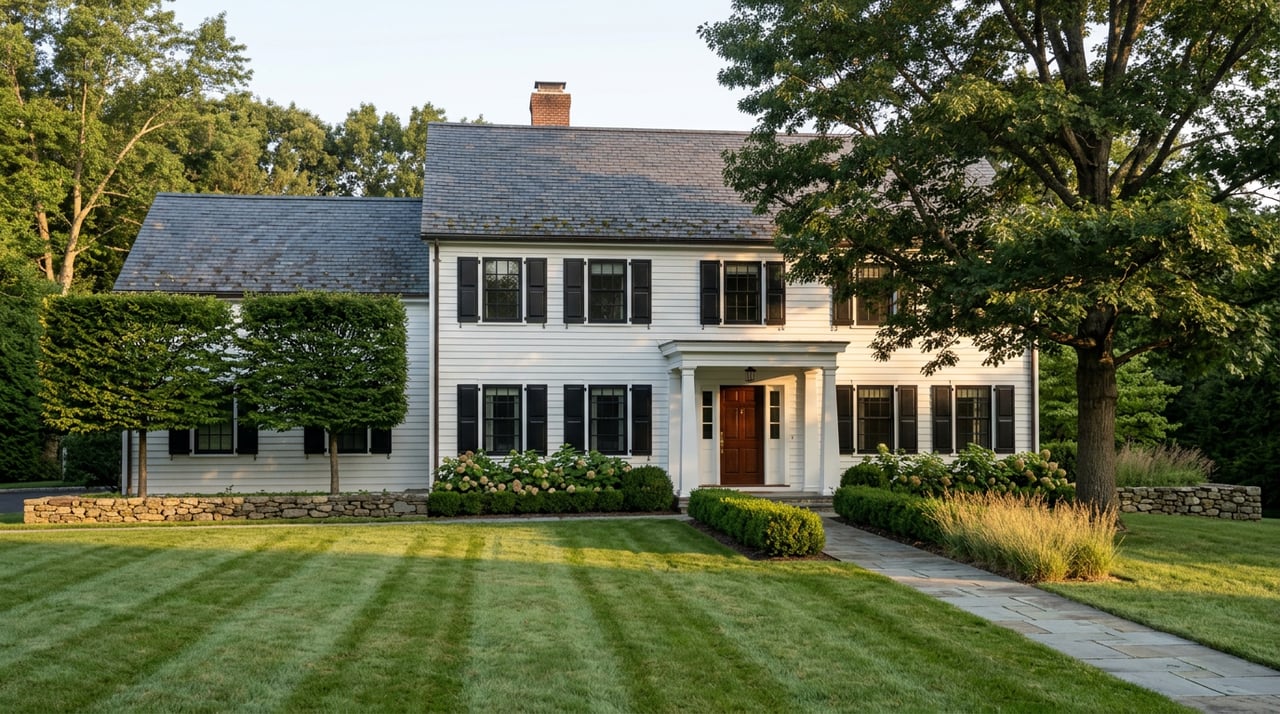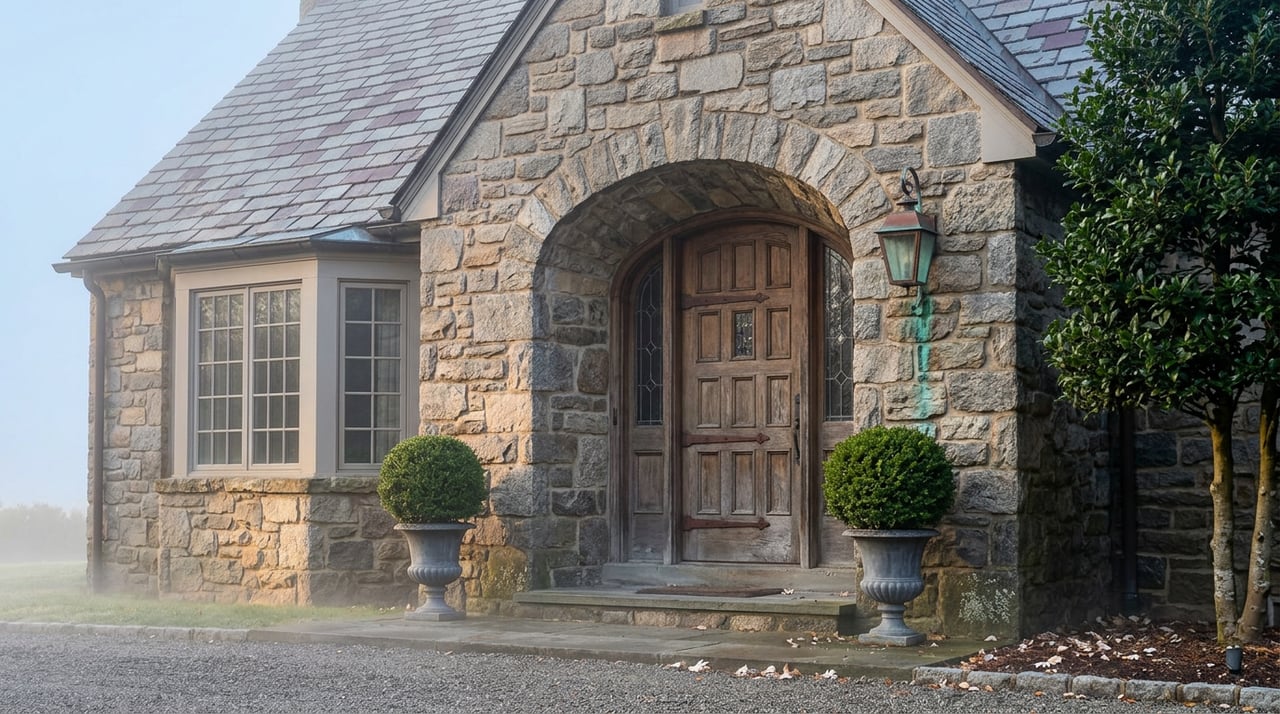
Scroll through an active horse farm listing in Peapack and you'll find an instruction most house hunters have never encountered: showings by appointment only, financial reference letter required. Not a mortgage pre-approval. Not a casual note from your agent vouching for your seriousness. A letter from a bank confirming you actually have the money, submitted before anyone will unlock the gate.
For buyers used to touring open houses on a Sunday afternoon, this reads like an odd flex, another layer of velvet rope on an already exclusive market. It isn't. It's arithmetic. Somerset County's equestrian inventory is thin enough, and the buyer pool concentrated enough around a handful of towns, that sellers can afford to filter before they show rather than after. Understanding why changes how you should approach the search, not just how you should feel about it.
The Math Behind the Gatekeeping
Start with the inventory itself. County-wide, active equestrian listings this year have sat at just a handful at any given time, averaging just over $2 million and roughly $152,800 per acre. That is not a typo born of a slow season. It reflects a market where the product itself, a working horse property with the right combination of acreage, soil, fencing, and barn infrastructure, simply doesn't turn over often.
What that price range buys varies enormously depending on which town you're in. In Bedminster, it might mean a modest five to ten acre farm with a paddock and a functional barn, suitable for someone boarding a horse or two of their own. Further into Peapack-Gladstone or Far Hills, the same acreage math stretches toward estates of 40 acres or more, with indoor arenas, Grand Prix jump fields, and multi-stall barns designed by architects who specialize in nothing else. A buyer comparing two listings at similar price points across these towns isn't comparing similar homes. They're comparing a hobby farm to a competition facility, and the per-acre math tells you which one you're looking at before you ever drive out.
With so few properties changing hands, and each one drawing interest from well beyond typical commuting distance, sellers aren't worried about filling a calendar with showings. They're worried about wasting one on someone who can't close. The financial reference letter isn't discretion for its own sake. It's a seller managing a market where a serious buyer might be driving in from three states away, and a curious one might just be killing a Saturday.
Why Hamilton Farm Still Sets the Tone
The reason this county draws that kind of long-distance, serious buyer traces back to one property. In 1911, Wall Street financier James Cox Brady bought 180 acres in Gladstone for $100 an acre and began building what would eventually grow to more than 5,000 acres across three counties. He named it Hamilton Farm after his wife. In 1961, the newly formed United States Equestrian Team needed a permanent home, and Hamilton Farm's stables became it. The main stable, built between 1916 and 1917 in a modified H shape with arched Guastavino tile ceilings, earned a spot on the National Register of Historic Places in 2018.
Today the property is the headquarters of the USET Foundation, and it still hosts USEF events including the Dressage National Championships and horse shows that feed the pipeline toward international competition. That history is not trivia for a real estate post. It's the reason Somerset County functions as a national address for the sport rather than a regional one. Buyers shopping this market aren't only comparing it to Hunterdon or Morris County. Some are comparing it to wherever they currently keep horses, whether that's Kentucky, Florida, or Europe, and choosing Somerset County because of what sits a few miles from any given listing.
The Hunt Calendar Still Shapes Who's Looking
Layered on top of the competitive infrastructure is a social one that predates it by a century. The Essex Fox Hounds have operated in this area since the 1800s, and since the early 1930s they've held their Thanksgiving Day Meet at estates across the Somerset Hills, including Ellistan, the same Peapack property whose listing requires that financial reference letter before a showing. Buyers who understand this world already know each other, or know of each other, long before a property hits the market.
That matters for how listings actually move. A hunt country estate rarely sells to a stranger who found it through a general search. It sells to someone already inside the calendar of meets, shows, and club memberships that define the area, or to someone being introduced into that world by an agent who understands it. The vetting at the door isn't about excluding outsiders. It's about matching pace with a buyer pool that already operates by appointment and reference in every other part of its life.
What to Have Ready Before You Call for a Showing
None of this should discourage a serious buyer. It should change the order of operations. Here's what to have in place before you request a tour of anything in this market:
- A bank reference letter, not just a pre-approval. Ask your bank specifically for a letter confirming available funds for a transaction at your target price point. A standard mortgage pre-qualification letter often won't satisfy what these listings ask for.
- A New Jersey real estate attorney already engaged. Every residential contract in the state includes a mandatory three-day attorney review period once both sides sign. On a property this specialized, that window moves fast, and you want counsel who already knows the file rather than one you're calling for the first time after an accepted offer.
- A clear question about farmland assessment continuity. Many of these properties carry a reduced property tax assessment tied to active agricultural use. That status is not automatically inherited by a new owner. It depends on the buyer continuing a qualifying agricultural use on the land, so ask early what the current use is and what maintaining it would actually require.
- Realistic expectations about what your budget buys in each town. A five acre Bedminster property and a 40 acre Peapack-Gladstone estate can carry similar headline prices while representing entirely different scales of operation. Know which one you're actually shopping for before you start touring.
A Few Questions Worth Asking Early
What's the difference between a financial reference letter and a mortgage pre-approval? A pre-approval speaks to what a lender is willing to finance. A financial reference letter, in this context, confirms liquid funds are available right now for a transaction, which is what sellers of specialized, low-inventory properties tend to want before scheduling a showing at all.
Does the farmland assessment just transfer with the sale? No. The reduced assessment is tied to continued agricultural use of the land, not to the property itself. A new owner who changes how the land is used can see that status reassessed, so it's worth understanding the property's current agricultural activity before you factor the tax line into your budget.
Is the attorney review period different for a property like this? The three day window is the same as it is for any New Jersey residential contract. What changes is what needs to happen inside it. Barn inspections, fencing and paddock condition, well and septic capacity for the property's actual use, and any agricultural assessment questions all tend to require specialists a general home inspector won't cover.
Somerset County's horse country rewards buyers who treat the paperwork as part of the search, not an obstacle at the end of it. If you're weighing a move into Bedminster, Peapack-Gladstone, Far Hills, or Bernardsville, and want a clear read on what a specific property actually requires before you request a tour, Tara Stone can help you get your financial documentation and legal team lined up ahead of time, so when the right barn does come available, you're already the buyer a seller is willing to let inside.